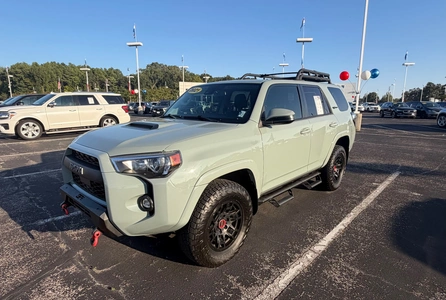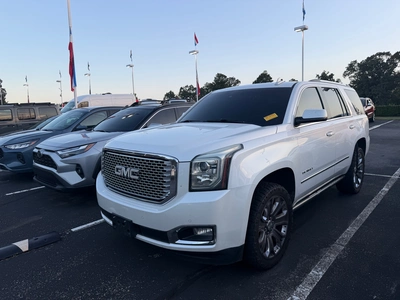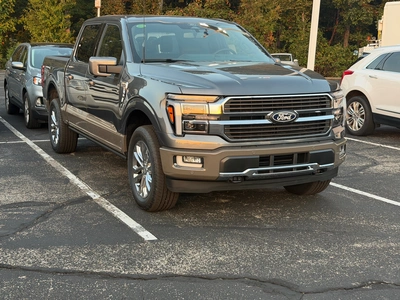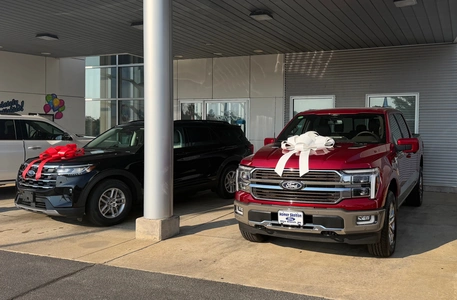

Trade-ins are sometimes like brand new cars — lightly used, low-mileage vehicles that arrive at the dealership in near-factory condition. Multiple market forces and shifting ownership patterns have created a steady supply of these almost-new trade-ins, and understanding why they exist helps buyers and sellers make smarter decisions.
Short ownership cycles and lease returns are leading causes. Lease terms of two to three years mean many late-model cars come off lease with little wear and low miles. Similarly, urban buyers who replace vehicles quickly for lifestyle or technology reasons often trade nearly-new cars back into the market. The result is inventory that looks and performs like new, but is sold at used-car prices.
Condition and documentation separate ordinary used cars from true near-new trade-ins. Vehicles that have been meticulously maintained, serviced at franchised dealers, and kept in one-owner histories retain much of their original appeal. Clean service records, original window stickers, and remaining factory warranty or transferable maintenance plans add tangible value. Dealers often assign premium pricing to these units or convert them into Certified Pre-Owned (CPO) candidates after inspection and reconditioning.
Reconditioning infrastructure is another reason trade-ins can appear brand new. Professional detail shops, paintless dent repair, calibrated sensor reconditioning for ADAS systems, and OEM parts availability allow dealers to return vehicles to like-new appearance and functionality quickly and cost-effectively. A thorough mechanical inspection followed by targeted mechanical work ensures drivability and safety standards comparable to new cars.
Market dynamics also play a role. New-vehicle supply constraints, rising MSRPs, and long wait times for hot models drive buyers toward late-model trade-ins. Used-vehicle demand remains strong for fuel-efficient compacts, crossovers, and popular luxury models, pushing dealers to source high-quality trade-ins. In some segments, gently used inventory can command premiums close to new pricing, particularly when factory incentives are limited or delivery times are long.
For buyers seeking a near-new car without the new-car price tag, start by targeting vehicles with one careful owner, full dealer service history, and remaining warranty coverage. Request a vehicle history report and verify original equipment and software updates for vehicles with advanced driver-assistance systems. Consider CPO options when available, since they bundle additional inspection standards and extended warranties that bridge the gap between new and used ownership.
Sellers with nearly new vehicles can maximize trade-in value by keeping detailed maintenance records, addressing cosmetic issues promptly, and timing the trade to market demand cycles. Presenting the vehicle cleanly and with complete documentation reduces reconditioning costs for the dealer and often results in stronger trade offers.
Bottom line: what looks like a brand new car in a trade-in bay is often the product of changing ownership patterns, lease returns, effective reconditioning, and market pressures. Savvy shoppers and sellers who understand these dynamics can turn near-new trade-ins into smart value plays — accessing modern features, strong reliability, and shorter depreciation curves without the premium of a showroom sticker.
If you have any questions or would like help exploring your options, I’d be happy to help. Feel free to reach out anytime for more information or to take the next step when you’re ready.
Arthur Harris
(662) 420-6424
Homer Skelton Ford