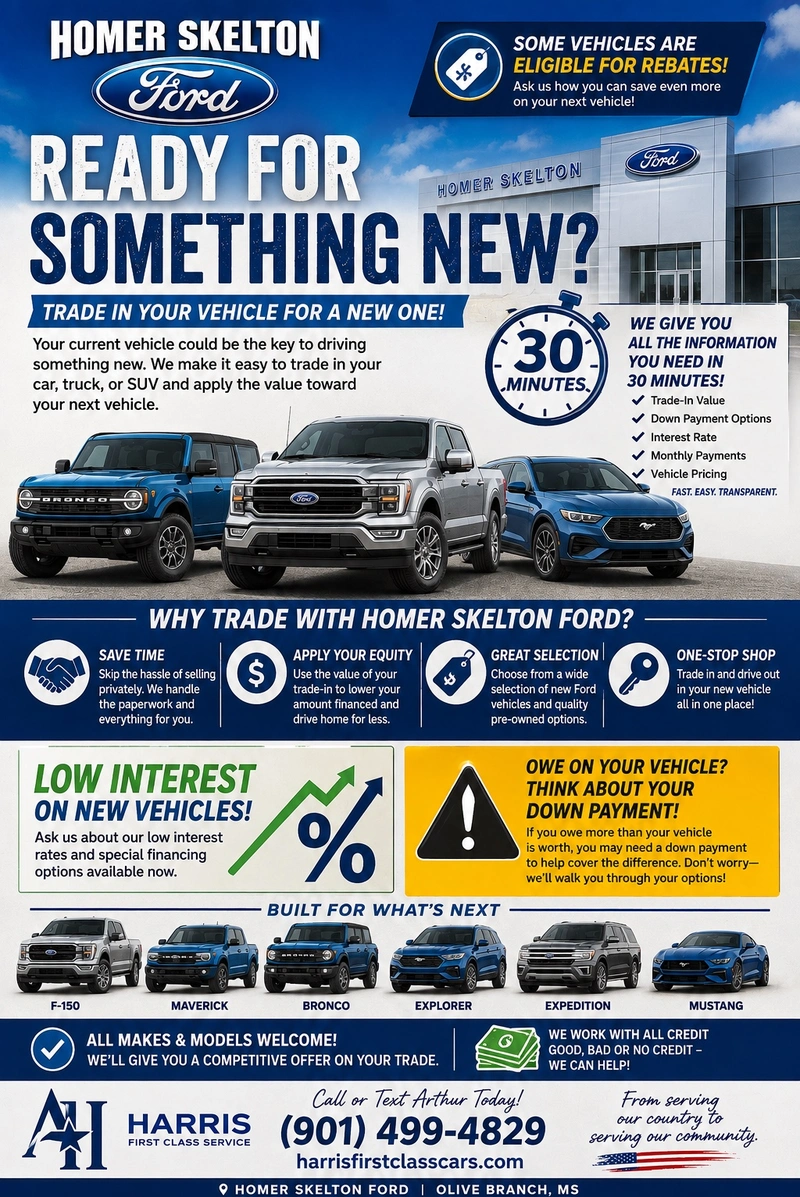
Trading in a car when the loan balance is higher than the vehicle’s value is a common situation and it is totally manageable with a little planning. Negative equity simply means the payoff on the loan is greater than the trade-in offer. Many drivers handle this by adding the difference to the down payment on a new vehicle or rolling it into the new loan. Each option has trade-offs and a few smart steps make the outcome less painful.
Start with the numbers. Obtain the exact loan payoff amount from the lender and get a few trade-in estimates from dealers and online valuation tools. The difference between the payoff and trade-in value is the negative equity. Having a payoff letter in hand and several trade-in quotes gives a clear foundation for the next move.
Options that owners use
1) Add a down payment to cover negative equity. This is the cleanest approach. Paying the shortfall out of pocket prevents the old balance from being rolled into the new loan. It keeps the new loan amount lower, preserves better loan-to-value ratios, and usually reduces monthly payments and interest paid over time.
2) Roll negative equity into the new loan. Dealers can add the negative balance to the new car loan. This avoids an immediate cash payment but increases the new loan amount and possibly the monthly payment. The main downside is starting the new loan with a higher loan-to-value ratio, which risks remaining underwater if depreciation is swift. A longer-term loan may lower monthly payments but increases total interest cost.
3) Sell the car privately. Private sale often yields a higher price than a dealer trade-in. The extra proceeds reduce or eliminate negative equity. This requires time and effort but frequently produces the best financial outcome.
4) Refinance or accelerate payoff of the current loan. Refinancing at a lower rate or making extra payments until the balance aligns with market value can remove negative equity before trading. This path makes sense for those who can hold onto the car a bit longer.
5) Lease return or dealer trade-in promotions. Lease-end returns sometimes include special offers or dealer incentives. Manufacturer deals on new vehicles can also absorb some negative equity through rebates or loyalty credits, depending on current promotions.
Negotiation and practical tips
Treat the trade-in and new car purchase as separate negotiations to avoid getting stuck with an unattractive combined deal. Obtain independent financing pre-approval from a bank or credit union to compare rates against dealer offers. Keep the loan term as short as comfortably affordable to avoid excessive interest. Consider GAP insurance if rolling negative equity, since GAP protects against owing more than the car’s value in a total loss. Clean and maintain the vehicle before appraisals to get the best trade-in value and gather service records to demonstrate care.
State and tax considerations matter. In many states sales tax is applied to the new car’s taxable amount after subtracting a trade-in allowance, which can reduce tax owed when trading in. If negative equity is rolled into the new loan, that portion may not reduce taxable amount. Local rules vary, so factoring tax effects into the decision is useful.
Quick checklist
• Get payoff amount and loan statements
• Obtain multiple trade-in estimates and private sale valuation
• Consider paying negative equity out of pocket if possible
• Compare financing options and keep loan terms reasonable
• Factor in manufacturer incentives and state tax rules
• Protect with GAP insurance when appropriate
Trading in a car with negative equity takes a little extra work but is a common hurdle. Making informed choices upfront preserves financial flexibility and avoids surprises down the road. A few careful calculations and smart negotiation make the transition to a new vehicle smoother and more affordable in the long run.
If you have any questions or would like help exploring your options, I’d be happy to help. Feel free to reach out anytime for more information or to take the next step when you’re ready.
Arthur Harris
(662) 420-6424
Homer Skelton Ford