Make the purchase process easy with focused research
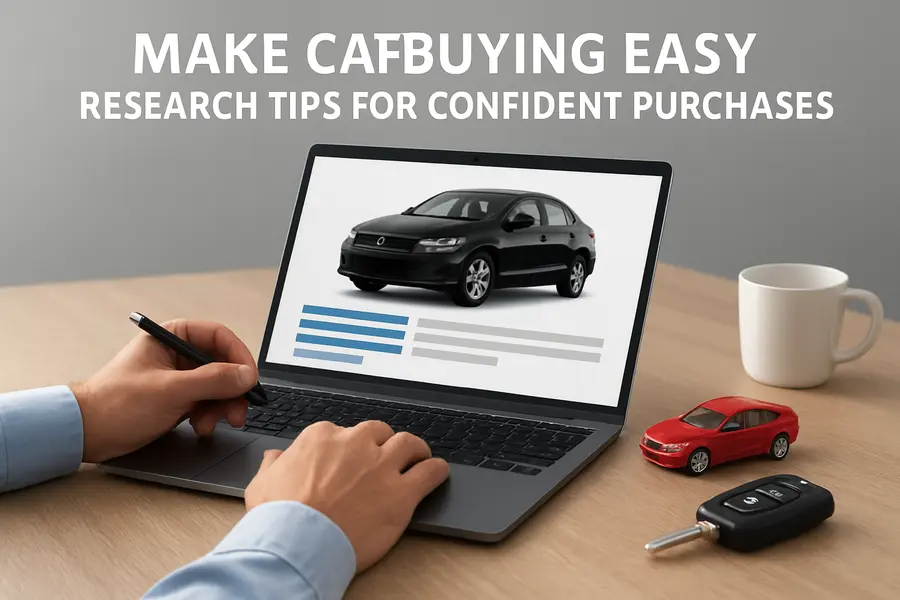
Buying a car becomes straightforward when research replaces guesswork. Start by identifying core needs: passenger capacity, cargo space, fuel type, daily commute distance, towing or off-road requirements, and intended ownership length. Convert needs into a realistic budget that includes taxes, registration, insurance, expected maintenance, and a buffer for unexpected costs. That budget is the foundation for smart comparisons and confident decisions.
Use reliable data to narrow choices
Leverage industry resources: professional reviews, long-term road tests, reliability surveys, and owner forums. Pay attention to total cost of ownership metrics—fuel, depreciation, insurance, and scheduled maintenance—rather than just the sticker price. For electric vehicles, research real-world range, charging infrastructure in your area, and battery warranty terms. Recent market trends show growing incentives and extended warranty coverage for EVs, making them increasingly practical for many buyers.
New, used, or certified pre-owned
Decide whether to buy new, used, or certified pre-owned (CPO). New cars offer the latest tech and full warranties but depreciate fastest. Used cars can deliver value if you verify history and condition; vehicle history reports and independent inspections are essential. CPO programs bridge the gap with manufacturer-backed warranties and inspection standards—often a good compromise for peace of mind.
Inspection, test drive, and verification
Perform a methodical test drive that covers city, highway, and any terrain you frequently encounter. Check visibility, ergonomics, noise, brake feel, and suspension behavior. For used cars, obtain a comprehensive vehicle history report and a pre-purchase inspection from a trusted mechanic. Verify recalls and open campaigns via manufacturer databases.
Financing, trade-ins, and negotiation
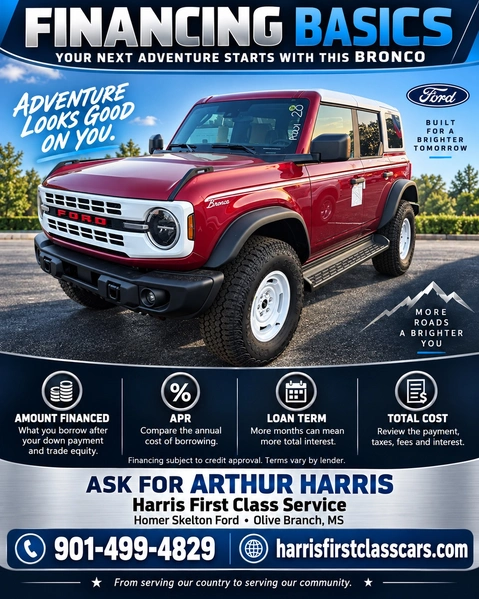
Secure preapproved financing to clarify monthly payments and strengthen negotiating position. Research current incentives, dealer cash, and manufacturer rebates. For trade-ins, research local used-car values separately so you can evaluate dealer offers fairly. Negotiation becomes easier with clear market pricing from multiple sources, online retailer quotes, and knowledge of invoice vs. MSRP trends.
Timing and dealer strategy
Purchase timing affects price: model-year turnover, end-of-month quotas, and holiday incentives can yield savings. Online retailers and contactless purchase options have reshaped the buying experience—use them to compare offers, arrange test drives, and streamline paperwork. Be ready to walk away if terms don’t match your research-backed expectations.
Final checklist and ownership readiness
Before signing, confirm financing terms, warranty coverage, included services, and registration details. Get insurance quotes early and arrange coverage effective on delivery. Keep documentation for service intervals and any transfer paperwork. After purchase, follow the manufacturer’s maintenance schedule to protect resale value and reliability.
Research reduces stress, improves outcomes, and turns a complicated purchase into a confident investment. With the right preparation—focused priorities, trusted data, inspection, and financing—you’ll drive away satisfied and well-informed.
If you have any questions or would like help exploring your options, I’d be happy to help. Feel free to reach out anytime for more information or to take the next step when you’re ready.
Arthur Harris
(662) 420-6424
Homer Skelton Ford